Weinmesse Winterthur — Meet the Producers
Over 20 international producers present more than 120 wines for tasting and direct purchase. A focused, boutique-scale event ideal for discovering producers you wouldn't find in retail.
Tastings, Festivals & Open Cellars — March to November
Switzerland's wine calendar runs year-round, from spring tastings on Lake Lucerne to harvest festivals along the Rhine. With six wine regions, over 200 indigenous and international grape varieties, and more than 2,500 winemakers, the country offers an extraordinary density of wine events in a small area.
This calendar covers every major Swiss wine event in 2026 — from the Wyschiff wine ship tastings that tour Swiss cities each spring, to the Open Wine Cellars weekends when hundreds of producers throw open their doors, to the autumn fairs where thousands of wines compete for attention. Whether you want to taste Chasselas on the shores of Lake Geneva, discover Merlot in Ticino's sun-drenched vineyards, or explore Pinot Noir from the Bündner Herrschaft, this guide will help you plan your visits.
All dates are verified against official organizer websites. Events are listed chronologically. Ticket prices and opening hours are included where confirmed.

Over 20 international producers present more than 120 wines for tasting and direct purchase. A focused, boutique-scale event ideal for discovering producers you wouldn't find in retail.

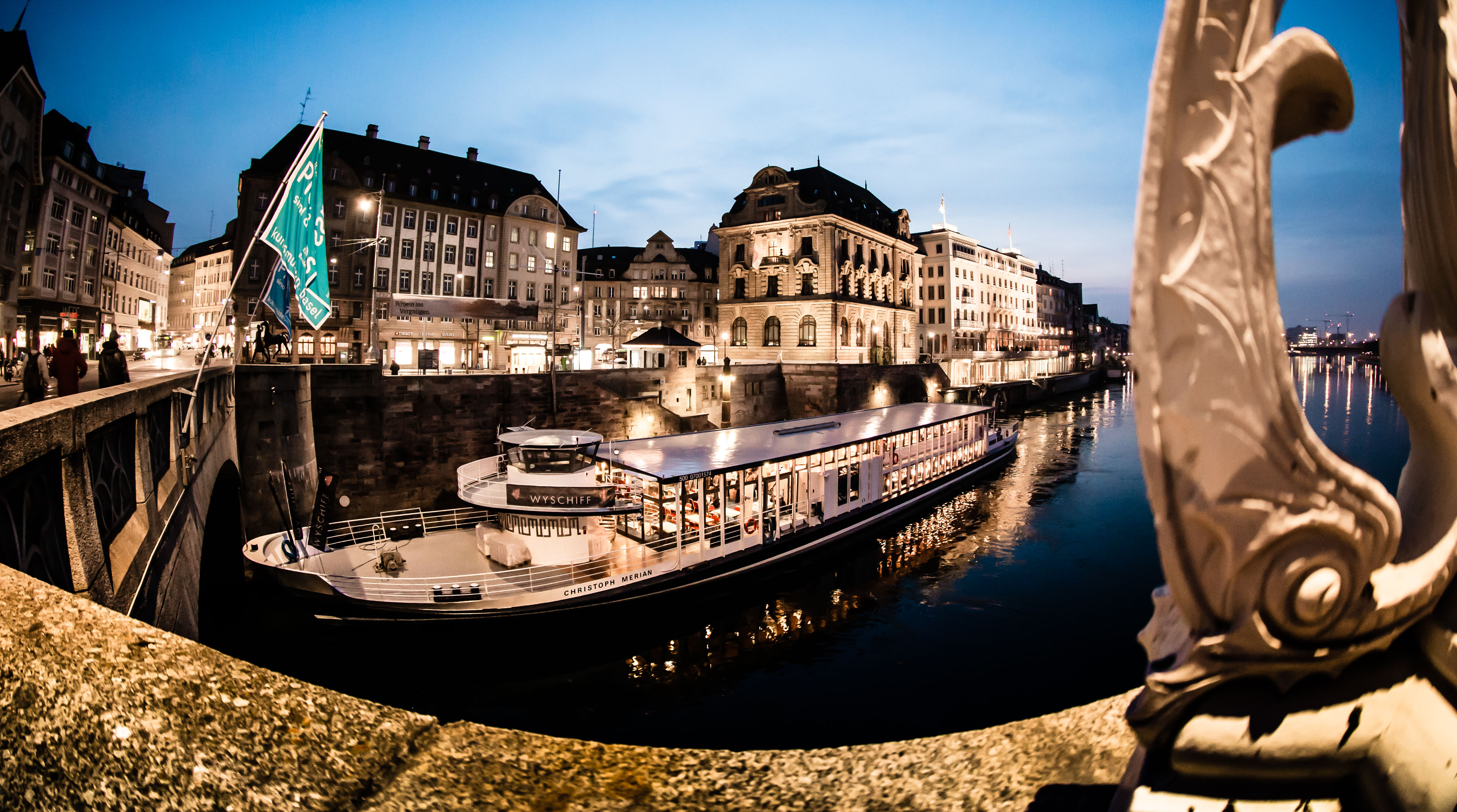
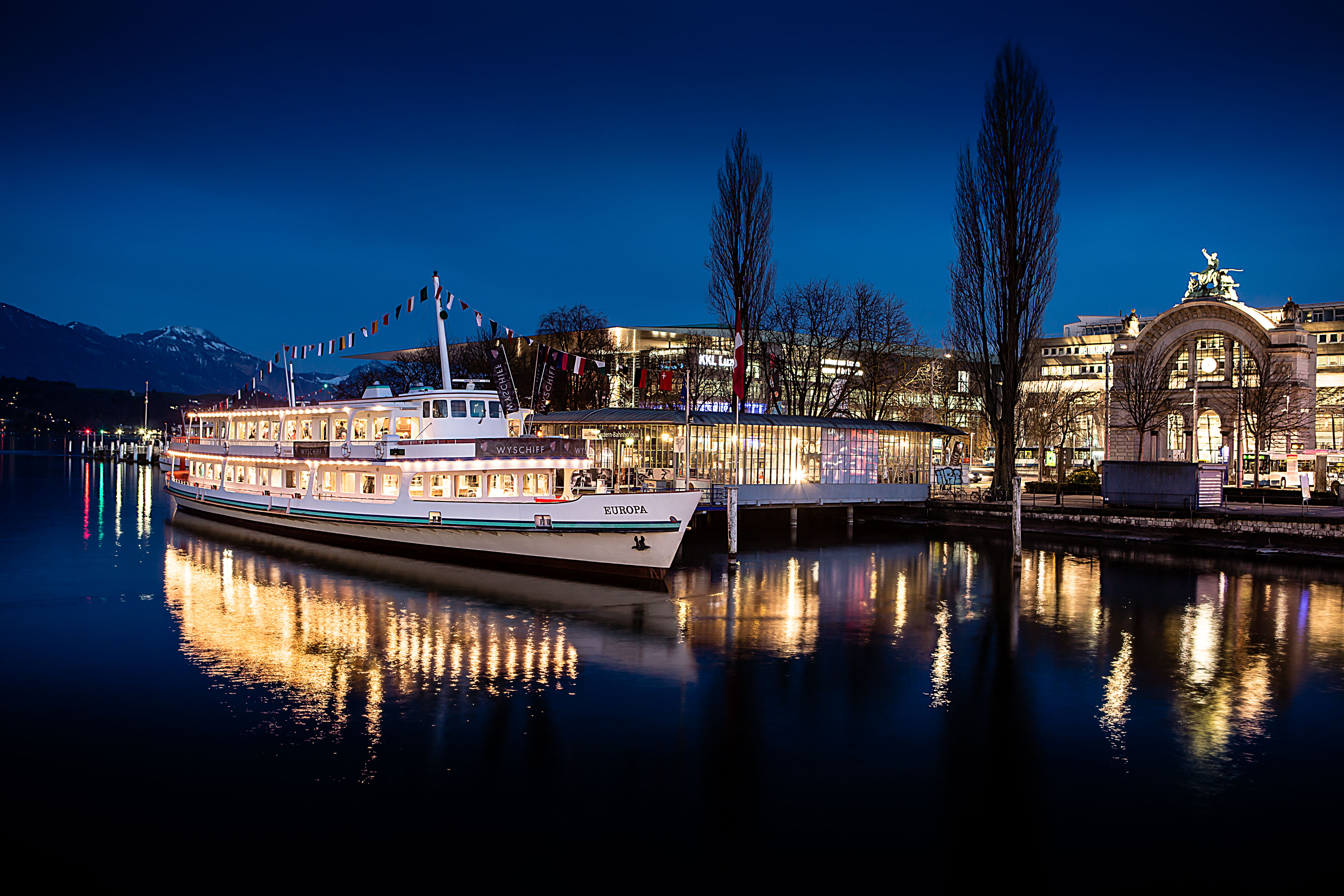
For the 15th time, the Wyschiff wine ship docks in Lucerne. Forty renowned Swiss family winegrowers pour around 300 wines on board. The intimate ship setting means direct conversation with the producers.

The 22nd edition of Basel's floating wine fair. Around 300 wines from 40 independent Swiss winemakers, tasted directly on the Rhine. A Basel institution.
First edition. A special exhibition within the WOHGA fair featuring 27 tasting bars representing all Swiss wine regions. Direct contact with winemakers. Organized by Swiss Wine.
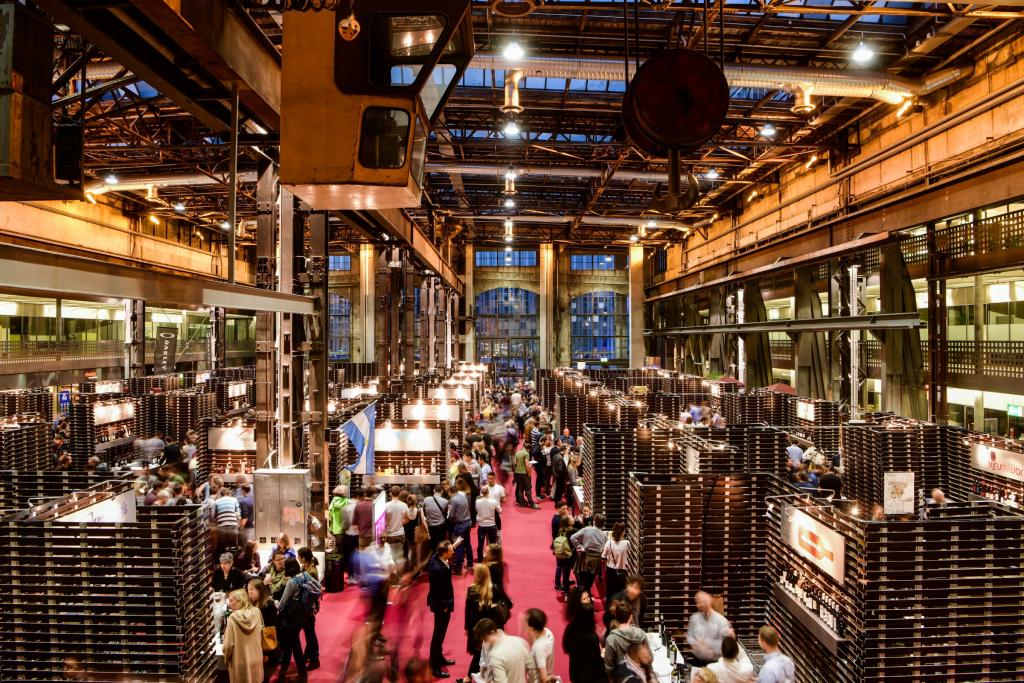
Over 2,100 wines from 21 countries, presented in Zurich's stylish industrial venue. Masterclasses, guided tastings, and direct sales. One of Switzerland's most important spring wine fairs.
Neuchâtel winemakers bring their wines on tour through German-speaking Switzerland. Exclusive tastings of Neuchâtel's distinctive wines, including the famous Non Filtré.

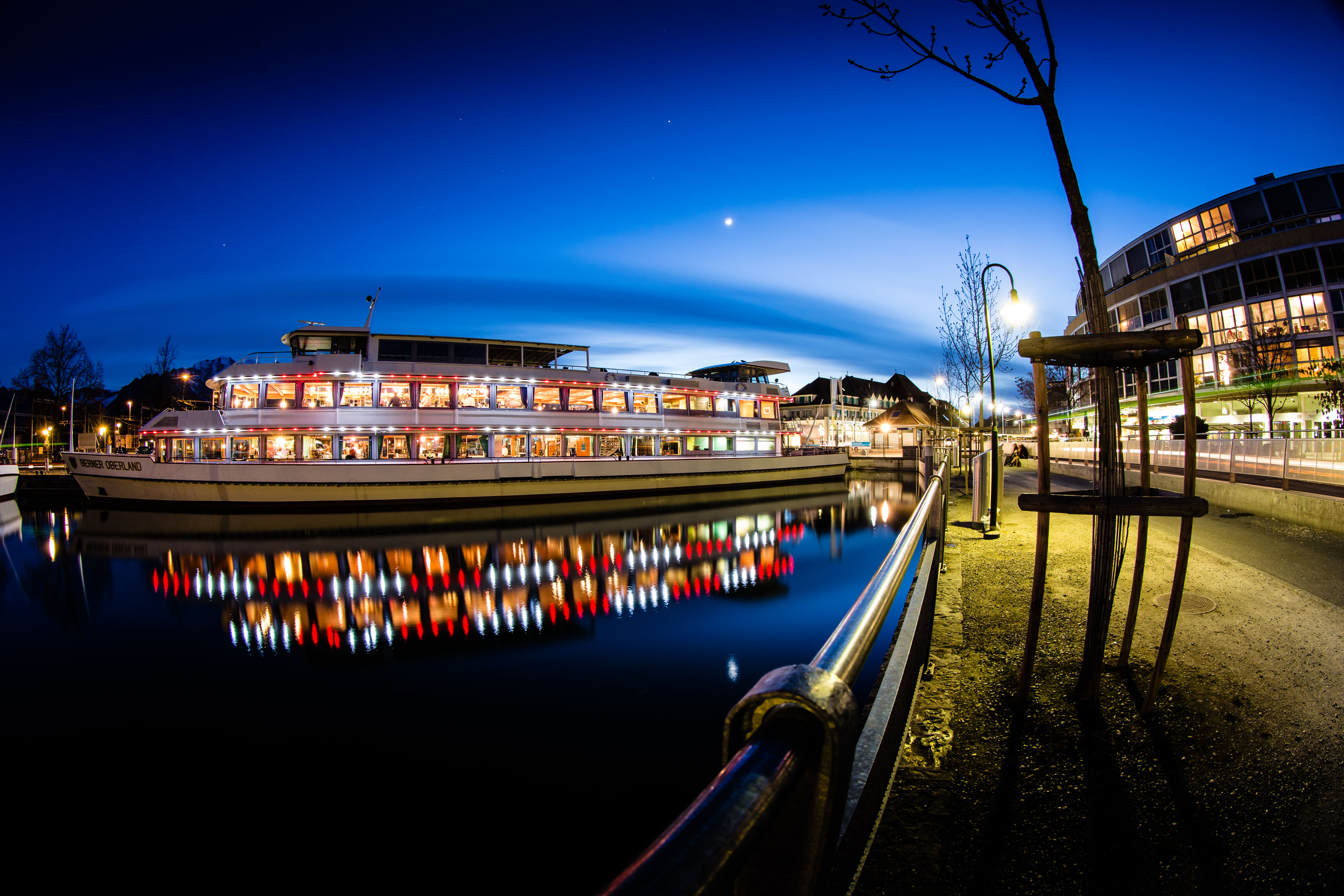
The 12th Wyschiff stop in Thun. Swiss winemakers present their latest creations on the lake with an Alpine backdrop. A unique combination of wine and landscape.

Over 220 winegrowers across German-speaking Switzerland open their doors for tastings, cellar tours, and vineyard walks. The largest Open Cellars event in the country, spanning from Zurich to Graubünden, Aargau to Thurgau. Many estates pair wines with local food.

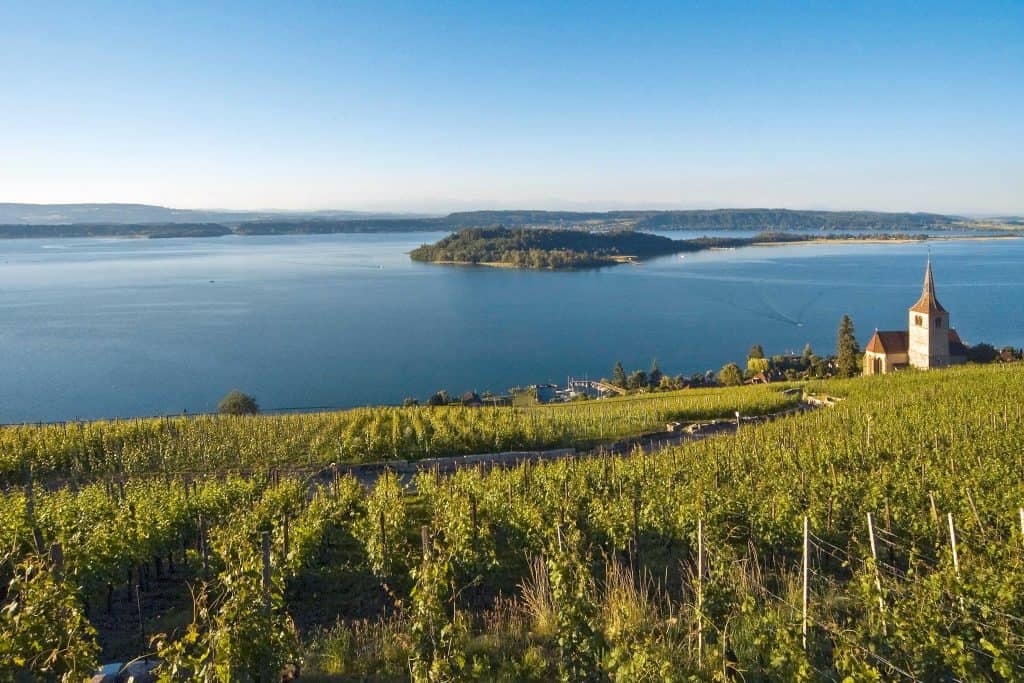
Around 20 producers along Lake Biel open their doors. This bilingual region (French/German) on the linguistic border is known for elegant Chasselas and Pinot Noir in both Œil-de-Perdrix and Blanc de Noir styles.

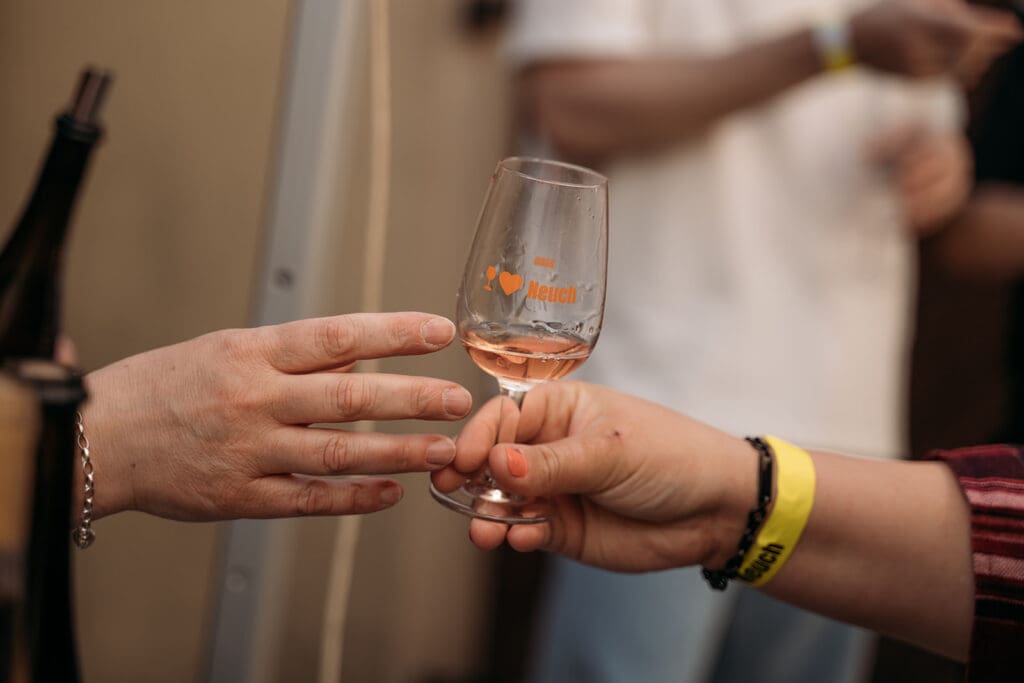
Neuchâtel's winegrowers welcome visitors to discover their vineyards and cellars along the lake. Known for Non Filtré Chasselas, Pinot Noir, and Œil-de-Perdrix — the rosé style born here.

Switzerland's largest wine canton opens more than 230 cellars. Discover emblematic Valais varieties: Petite Arvine, Amigne, Cornalin, Humagne Rouge, Heida (Païen), and Fendant (Chasselas). The three-day format allows deep exploration of the Rhône valley's terraced vineyards from Visp to Martigny.

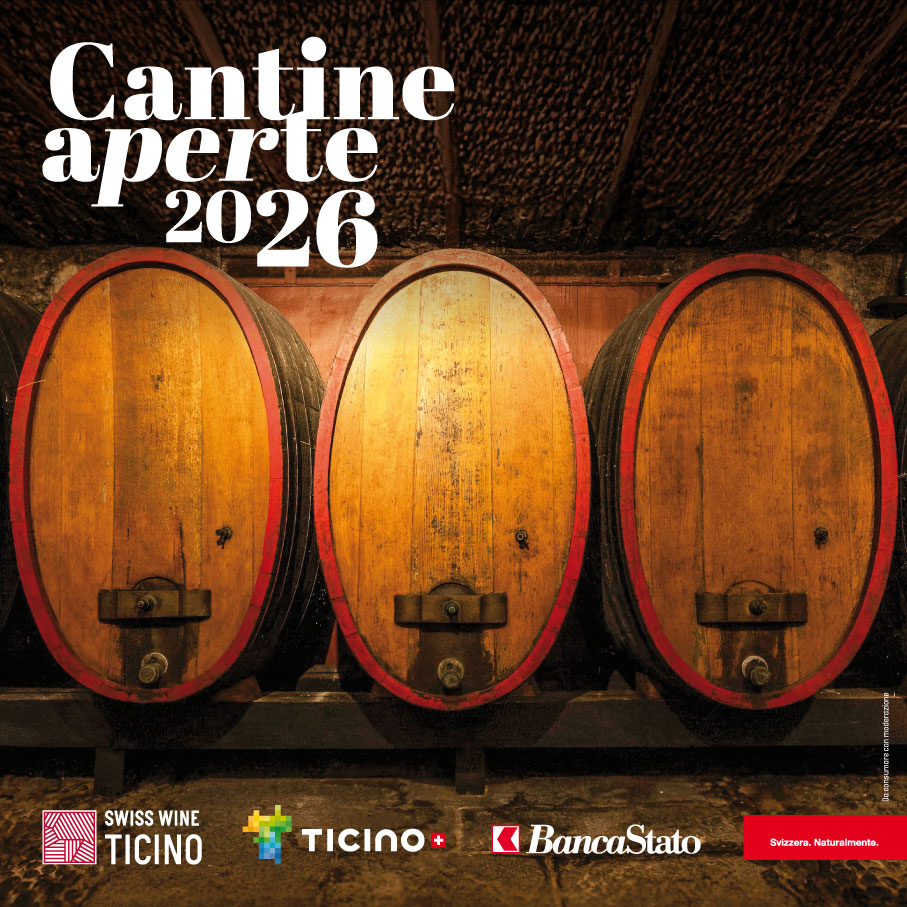
The first weekend of Ticino's two-part Open Cellars event. Over 80 producers across the canton participate in total. Ticino is Switzerland's only wine region south of the Alps, producing primarily Merlot — from crisp whites (Bianco di Merlot) to structured reds aged in barrique.

The Vaud Open Cellars weekend, covering vineyards from the UNESCO-listed Lavaux terraces to La Côte, Chablais, and the Vully. Vaud is Switzerland's second-largest wine canton and the heartland of Chasselas.

The second weekend of Ticino's Open Cellars. Explore the cellars of the Sopraceneri, where south-facing slopes and granite soils produce distinctive Merlot with mineral character.

Around 80 cellars across Geneva's three wine areas — the Mandement, Arve-et-Rhône, and Arve-et-Lac — open for a single day. Geneva is Switzerland's third-largest wine canton with a continental climate suited to Gamay, Gamaret, and Chasselas. A day pass (CHF 20) includes the commemorative tasting glass.
Local bands perform among the vines, combining live music with wine tasting in an open-air vineyard setting. A celebration of Swiss wine culture beyond the cellar door.
One of the largest wine festivals in Europe, drawing up to 340,000 visitors over three days. Features a flower parade, confetti battle, lakeside fireworks, and a wine village in the city centre celebrating the grape harvest. A Neuchâtel tradition since 1902.

Nine days, 140 exhibitors, 3,000 wines. The largest wine experience in northwestern Switzerland, traditionally held alongside the Basel Autumn Fair. International and Swiss producers offer tastings and direct sales in a sophisticated fair setting.

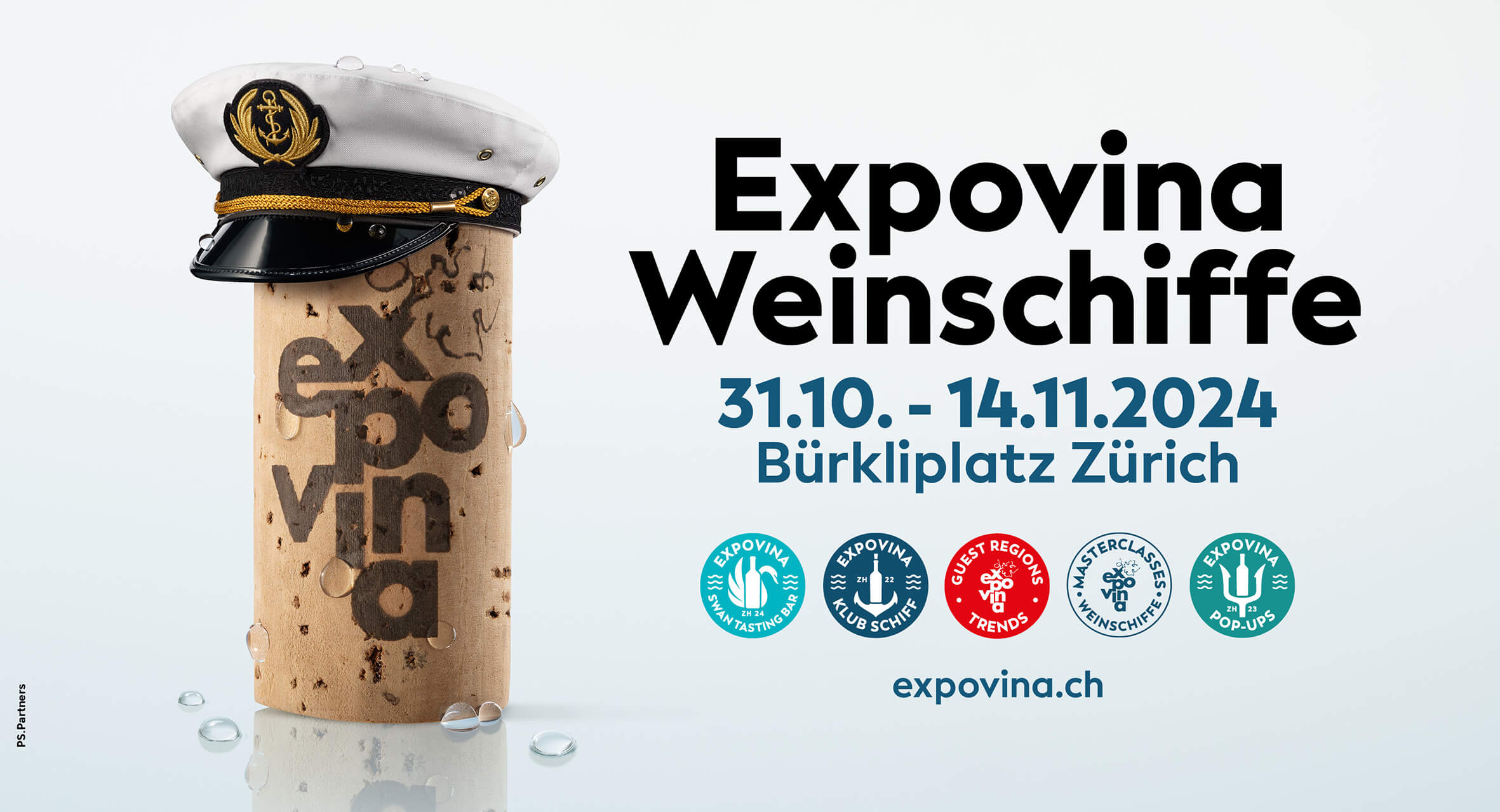
Switzerland's most iconic wine event. Over 4,500 wines from around the world, poured across multiple historic ships moored at Bürkliplatz. More than 100 exhibitors. Running for over 70 years, it remains the largest public wine tasting in Europe.

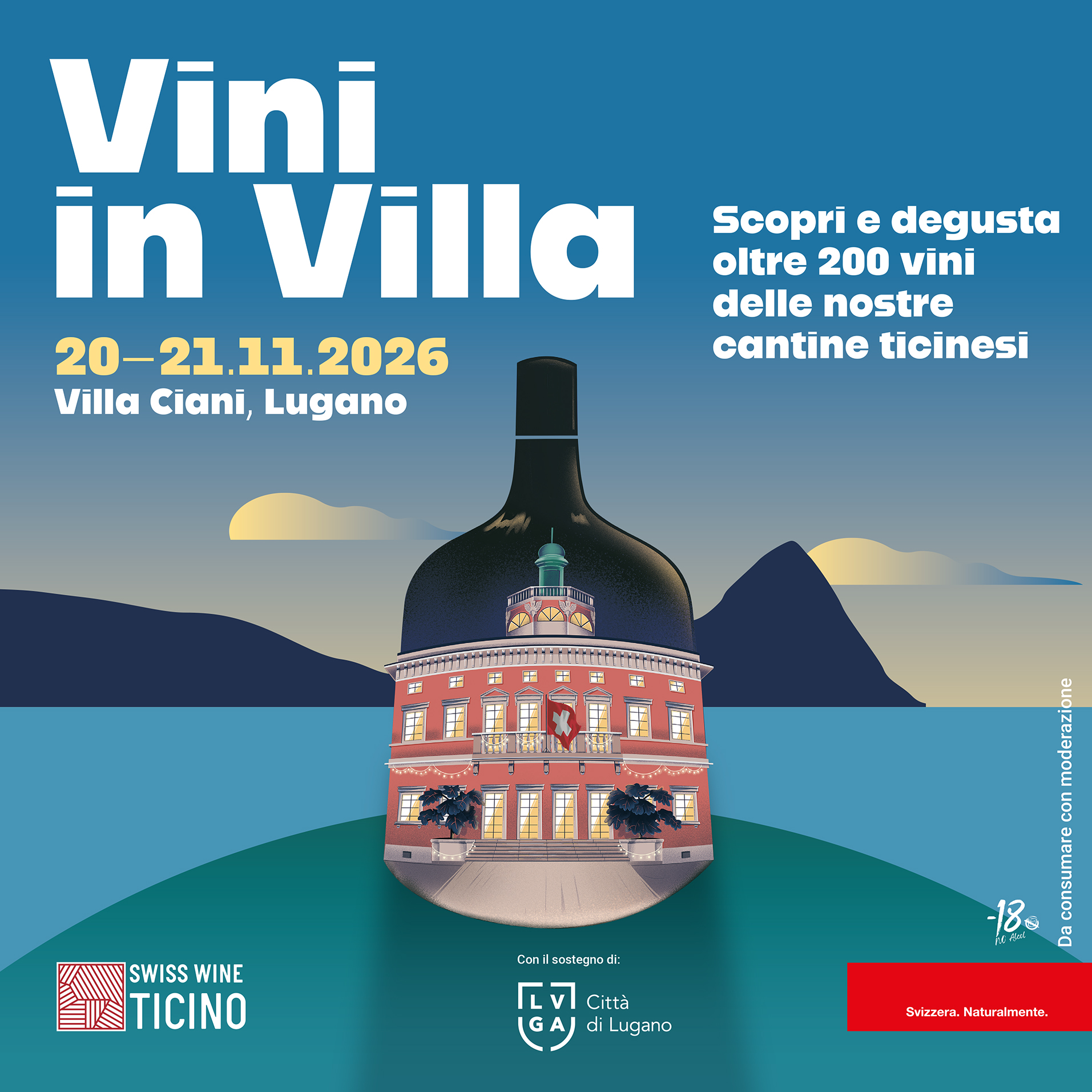
An exclusive pre-Christmas showcase of Ticino wines. Around 40 winemakers present over 200 wines in the elegant setting of Villa Ciani on Lake Lugano. A refined event focused entirely on Ticino's production.
Switzerland's rail network connects all wine regions. SBB offers regional day passes. Many Open Cellars events provide free shuttle buses between participating wineries.
Open Wine Cellars events typically require a regional pass (CHF 20–30). Wyschiff and Expovina sell tickets online in advance. Most events can also be paid at the door.
The May Open Cellars calendar is staggered by region — you could visit German-speaking Switzerland (May 1–3), then Neuchâtel (May 8–9), Valais (May 14–16), Ticino and Vaud (May 16–24), and finally Geneva (May 30) in a single month-long Swiss wine tour.
Most events offer tasting glasses included in the entry price. Wines are poured by the producers themselves — this is direct access to Switzerland's winemaking families. Many cellars offer food pairings. Events run rain or shine.
The Open Wine Cellars weekends offer the most authentic experience — walking between family estates, tasting in the actual cellars where the wines are made. Start with Valais (May 14–16) for the greatest variety of indigenous grapes, or Vaud (May 23–24) for the classic Chasselas experience in the Lavaux UNESCO vineyards.
The peak season runs March through June, with the spring tastings (Wyschiff, Expovina Primavera) in March and the Open Wine Cellars weekends spread across May. The autumn season (October–November) brings the major fairs: Weinfestival Basel and Expovina Wine Ships in Zurich.
Most events sell tickets at the door, but Wyschiff and Expovina offer discounted advance tickets online. Open Wine Cellars passes are typically available on the day at any participating cellar. For popular Valais and Vaud weekends, arriving early (before noon) ensures the best experience.
Prices range from free (some Wyschiff cities) to CHF 20–35 for Open Cellars day passes and CHF 25–40 for Expovina and Basel Wine Fair tickets. Most prices include a tasting glass. Individual wine purchases at cellar prices are possible at all events.
Yes. The Swiss Open Wine Cellars are deliberately staggered across six weekends in May, one per region. With Switzerland's compact geography and excellent train network, you can plan a multi-region wine tour across the entire month.
Switzerland grows over 200 grape varieties. Key discoveries include Chasselas (the Swiss white wine par excellence), Pinot Noir (dominant in German-speaking regions), Merlot (Ticino's flagship), Petite Arvine and Amigne (Valais specialities), Gamay and Gamaret (Geneva and Vaud), and Completer and Riesling-Silvaner (eastern Switzerland).
Last updated: March 2026. Event dates are verified against official organizer websites. Check individual event pages for latest information, as dates may change.